
Notes from the field
Journal
What we've learned building on the North Shore, written down so you can read it before the first meeting.
State law, local bylaws and the building code, explained from the job site. Every guide cites its primary sources and says where your town may differ.
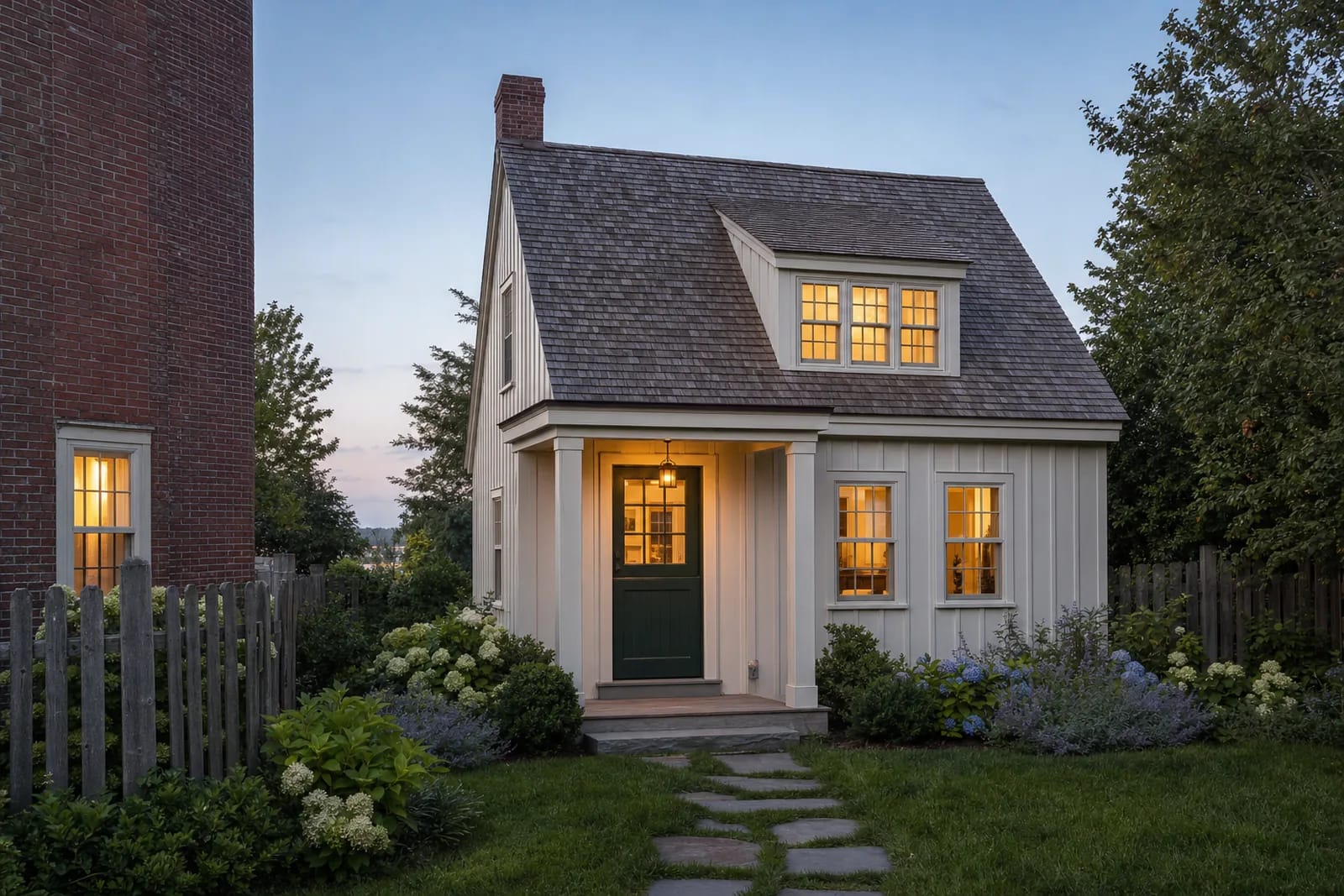 Concept rendering
ADUs · 12 min read
Massachusetts ADU law (2025): what homeowners can build
Since February 2, 2025, the Massachusetts ADU law has allowed one accessory dwelling unit by right on most house lots in the state. Here is what it actually says, what your town can and can't require, and the building, septic and energy rules that still apply.
Read the guideADUs
What the 2025 law allows, what towns can still regulate, and what it takes to build one well.
- Massachusetts ADU law (2025): what homeowners can buildSince February 2, 2025, the Massachusetts ADU law has allowed one accessory dwelling unit by right on most house lots in the state. Here is what it actually says, what your town can and can't require, and the building, septic and energy rules that still apply.
- ADU vs addition: which one fits your house and your plansAn ADU and an addition can look identical from the street. Under Massachusetts zoning, the building code and Title 5 they are different animals, and the right choice depends on who will live there, for how long, and what the lot can take.
- Carriage house conversion: turning an old outbuilding into a place to liveA carriage house conversion is one of the best ADUs you can build on the North Shore, and one of the easiest to get wrong. Here is what to check in the frame, the foundation, the code and the town before you fall for the hayloft.
Permits & code
Building code, energy code, septic, flood zones and historic districts, in plain language.
- Massachusetts stretch code requirements for additions, ADUs and renovationsMassachusetts runs three energy codes and every town picks one. Here is what the Base, Stretch and Specialized codes actually ask of an addition, an ADU or a major renovation, the HERS numbers that apply, and which code governs each of the 26 North Shore communities we work in.
- The FEMA 50 percent rule in Massachusetts: renovating a house in a flood zoneIf your house sits in a FEMA flood zone, one number decides whether a renovation stays a renovation: 50 percent of the building's market value. Cross it and the whole house has to meet today's flood rules, which in Massachusetts means the lowest floor two or three feet above the base flood elevation. Here is how the FEMA 50 percent rule is calculated, what compliance means, and how North Shore towns add to it.
- Title 5 and septic: adding a bedroom or an ADU in MassachusettsOn a septic system in Massachusetts, bedrooms decide what you can build. Title 5 sizes every system by bedroom count, so adding a bedroom, a home office that looks like one, or an ADU is a septic question before it is a design question. Here is how the Title 5 rules work, where local boards of health go further, and which North Shore towns are mostly septic or mostly sewer.
- Historic district renovation on the North Shore: what needs approval and what doesn'tMarblehead's Old Town, Salem's McIntire district, Newburyport's Fruit Street, Rockport's Main Street: the North Shore is thick with protected old houses. This guide explains how historic district renovation actually works here, the difference between a local district and a National Register listing, how demolition delay catches additions, and the rules in each of the 26 communities we serve.
Planning
How to hire, how to contract, and how to set a project up before anything is drawn.
- Design-build vs architect: a fair comparison for North Shore homeownersThere are two honest ways to get a house designed and built. One puts design and construction under a single contract; the other keeps them separate on purpose. Here is how design-build compares with hiring an architect and bidding the drawings, and when you want both.
- Hiring a contractor in Massachusetts: what the law requires and what to checkMassachusetts gives homeowners real protection when they hire a contractor, but only if the job and the contractor qualify. Here is what hiring a contractor in Massachusetts involves: Home Improvement Contractor registration, the Construction Supervisor License, what a contract must contain, the one-third deposit rule, who pulls the permit, and how to check all of it before you sign.
Design
Drawings, 3D models and renderings: what they are for and where they stop.
Start with a walkthrough.
Tell us about the house and what you want it to do. We'll walk it with you, measure, and talk through design, budget and schedule before anything is drawn.